Eleven Viewpoints, One Voice
This garden began in July in Hämeenlinna, as the magazine of a two-week residency. Even then the introduction said it should keep growing, beyond Finland. Now it does. The second bed is about art, but not about my own. It is about helping to decide.
Making art is one thing. Helping to decide about art is something else entirely. This year I got to think both together, as a member of the jury for the Art Prize of the SPD parliamentary group in the Lower Saxony state parliament, sent by the BBK Lower Saxony. This story tells how that went. Not who else was discussed, that stays within the jury. But how such a decision comes about, and who receives the prize in the end.
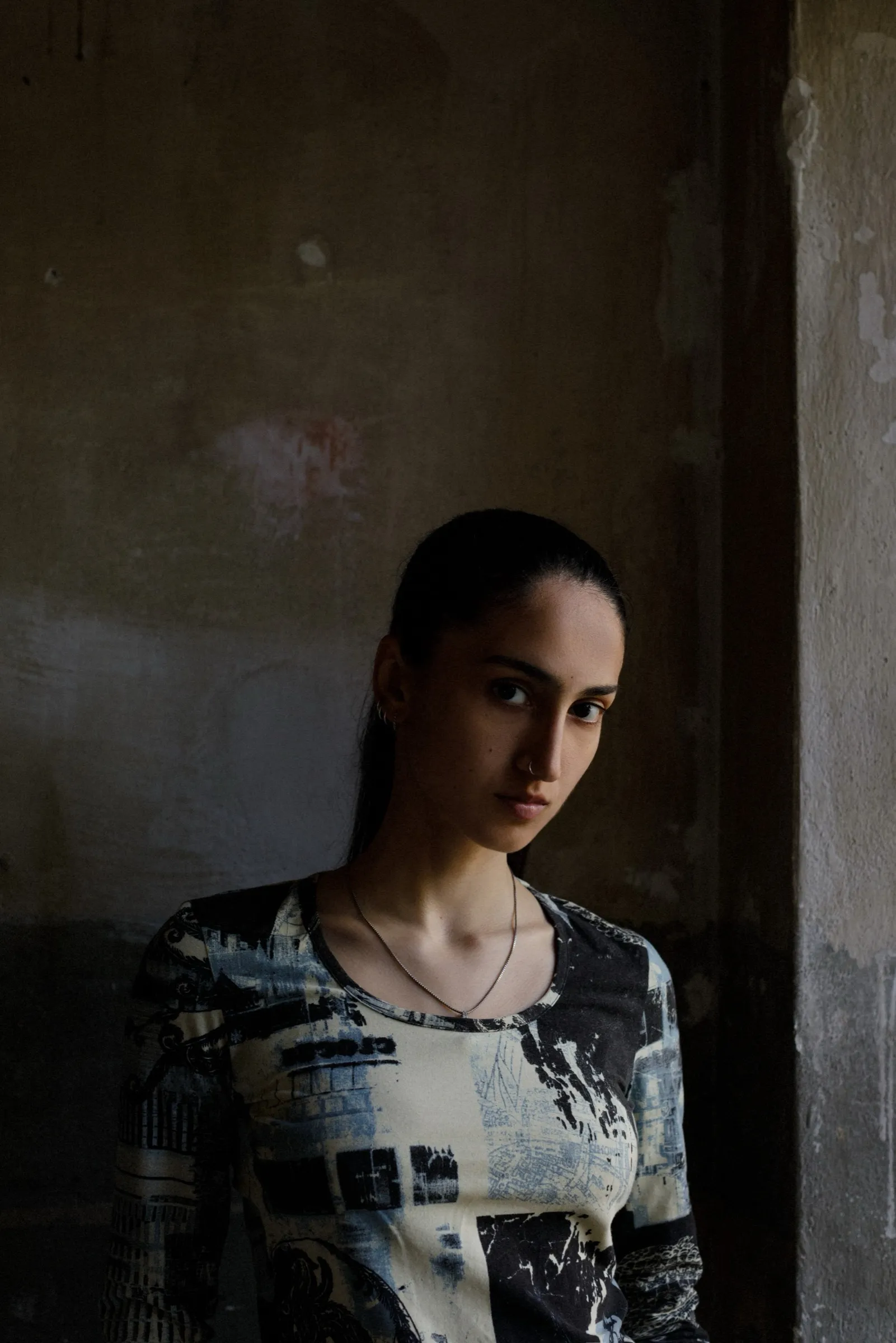
Leyla Yenirce was born in 1992 in Qubînê, in the Kurdish south-east of Turkey. At the age of three she came to Oldenburg as the child of Yazidi Kurdish refugees and grew up there. Her home village no longer exists, it was flooded for a dam. She first studied Culture of the Metropolis at HafenCity University Hamburg, then fine art at the Hochschule für bildende Künste Hamburg, completing her master's in 2022 with Jutta Koether. Today she lives and works in Berlin and is represented by the gallery Capitain Petzel.
Her work cannot be pinned to one medium. She paints large formats, oil and screen print layered over each other, on canvases of two by two metres and more. She builds video installations from found footage, composes under the name Rosaceae and performs on stage. Her themes: resistance and its images, media and military power, flight, feminist self-assertion, the fate of Yazidi women. She has since been awarded the ars viva prize, the Kunstpreis Berlin and the Finkenwerder Förderpreis, and her works hang in collections in Luxembourg, Magdeburg, Norway and Detroit.
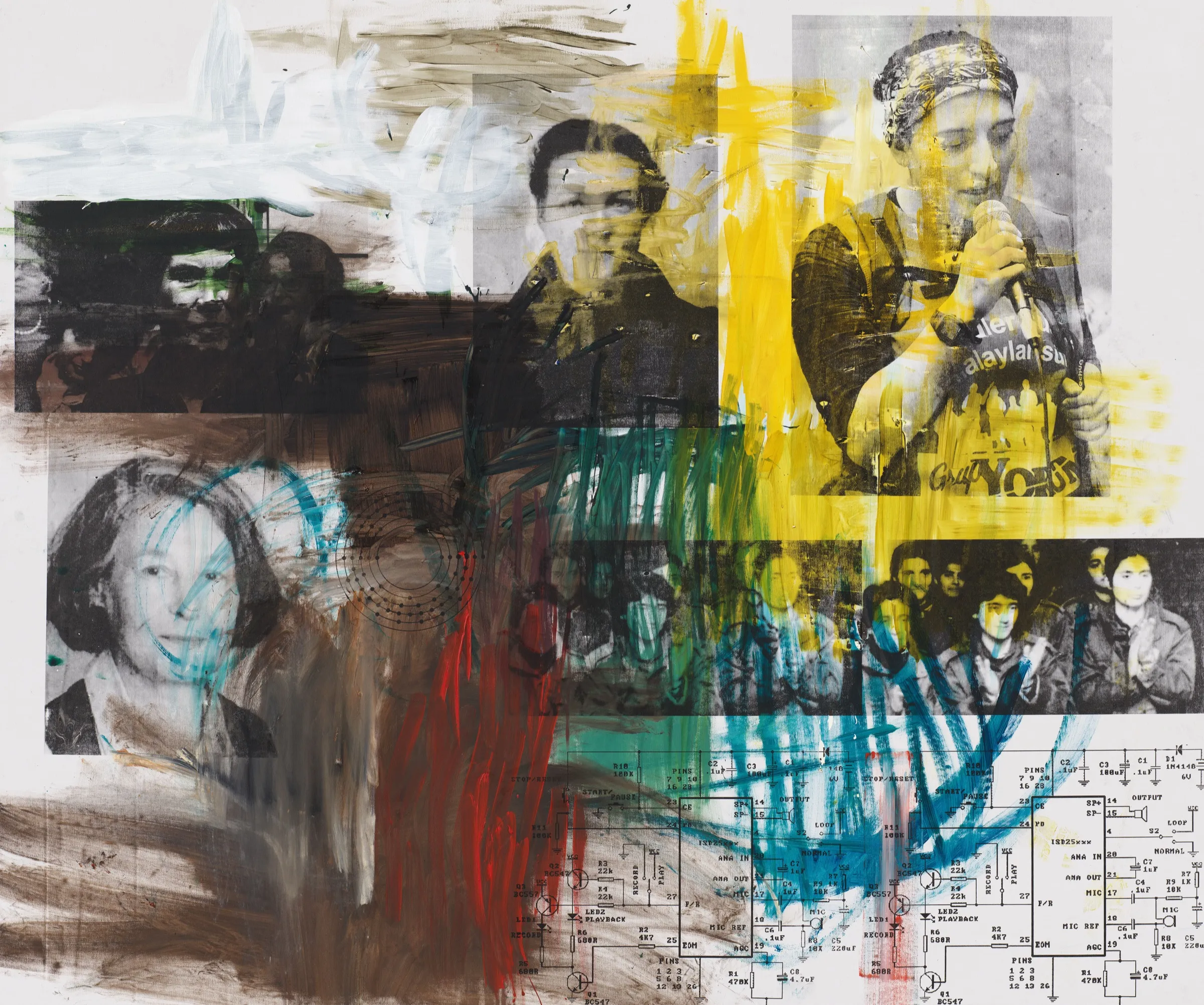
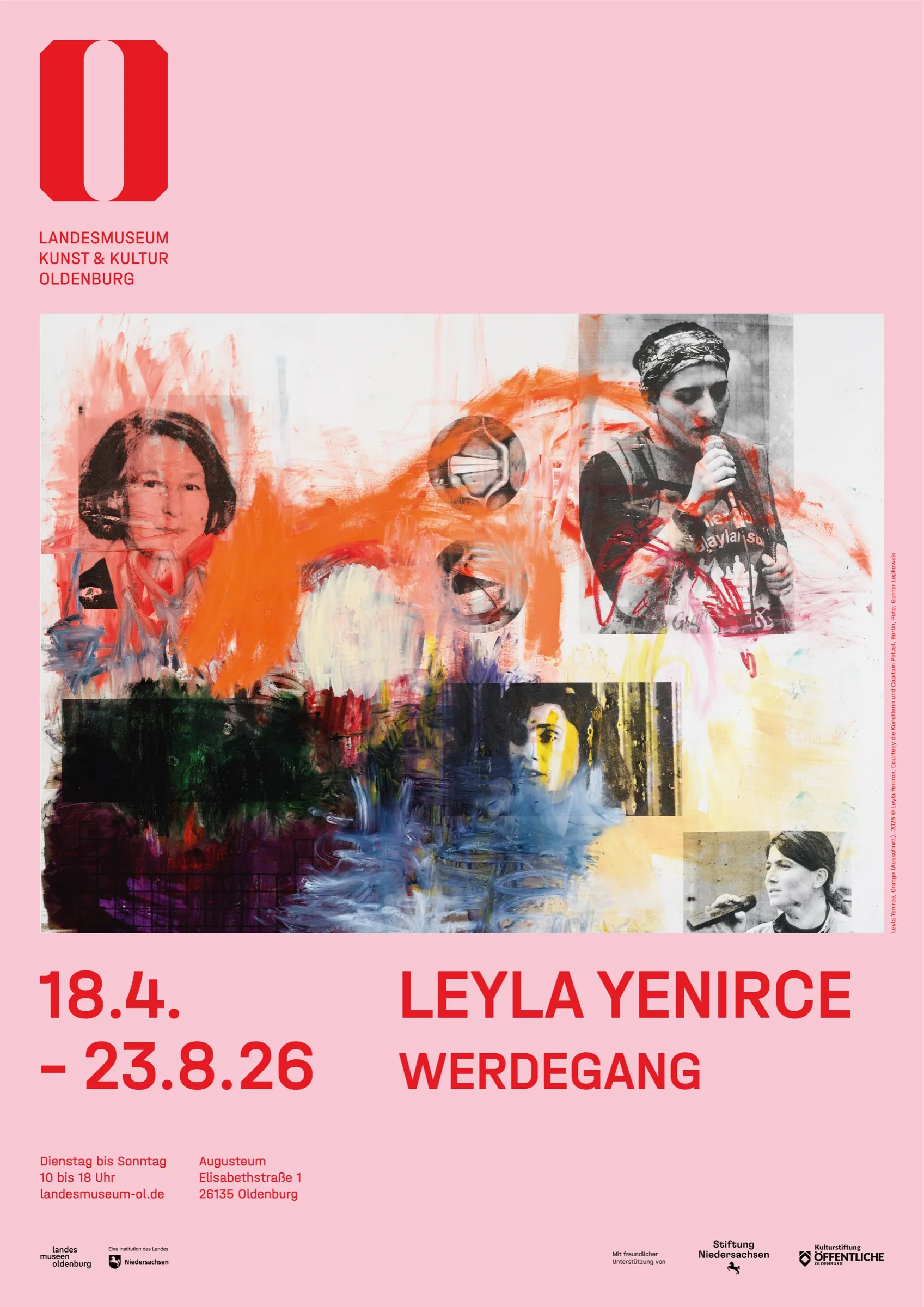
From April 18 to August 23, 2026, the Landesmuseum Kunst & Kultur Oldenburg showed her first museum solo exhibition, “Werdegang”, in the Augusteum. With it she returned to the city where she found her first home in Germany. At its centre a series of paintings of women who shaped her, the writer Natalia Ginzburg among them, and her former German teacher. They appear in screen print on the large oil paintings, at the microphone, singing, applauding. A chorus of women.
In the middle of the exhibition hung a key work from the museum's own collection, Ernst Ludwig Kirchner's “Der Wanderzirkus”, on equal terms with wall drawings that look almost teenage. And there was a very present-day look at Oldenburg. For the video work “Spotlight” she had her brother, a passionate runner, race through the city's streets at night, with only a head torch. A small point of light that sets no direction and never stands still. Walking as becoming: through Oldenburg, or out of Oldenburg into the world and back again. It was exactly this connection, the world and Oldenburg in one body of work, that convinced the jury.
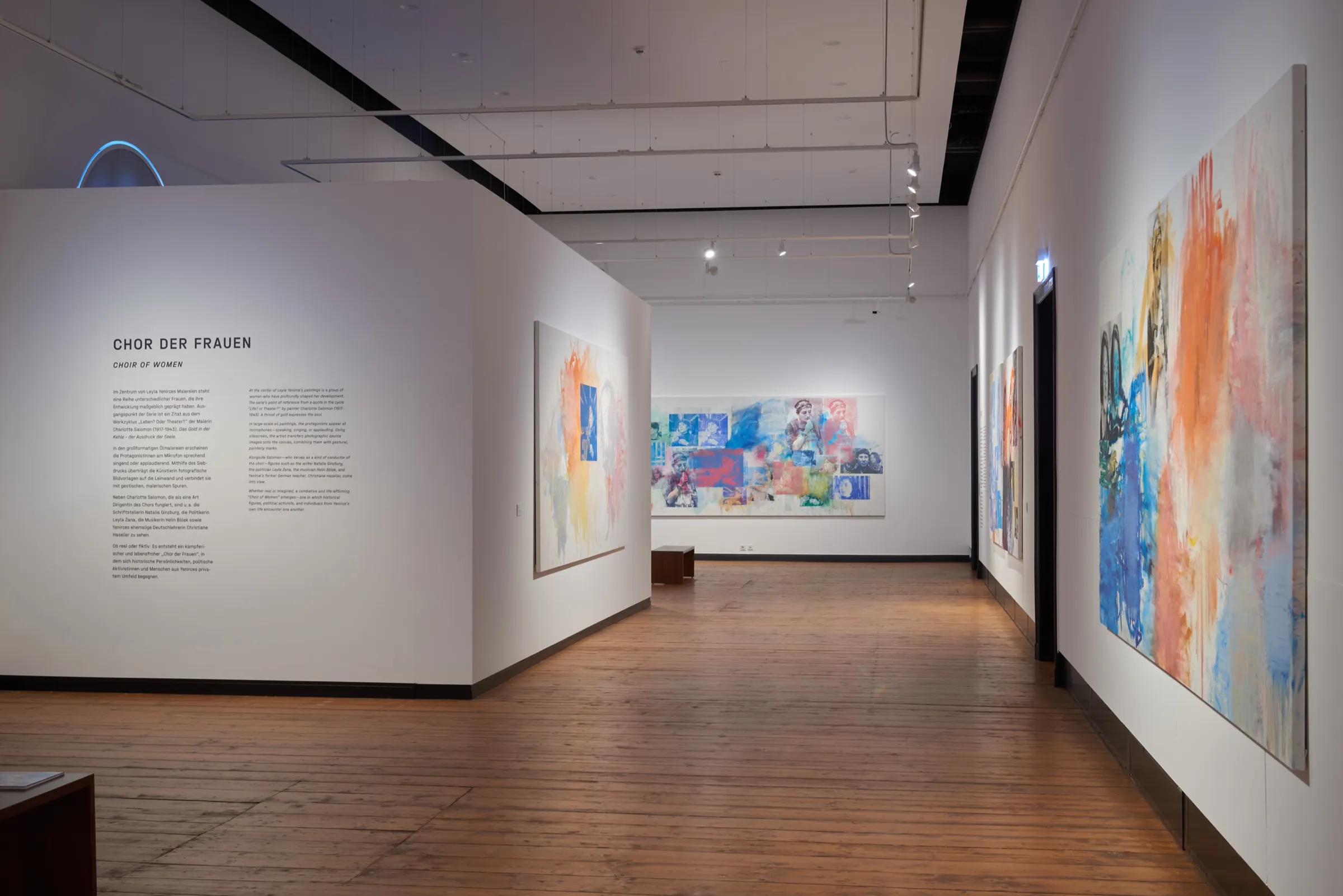
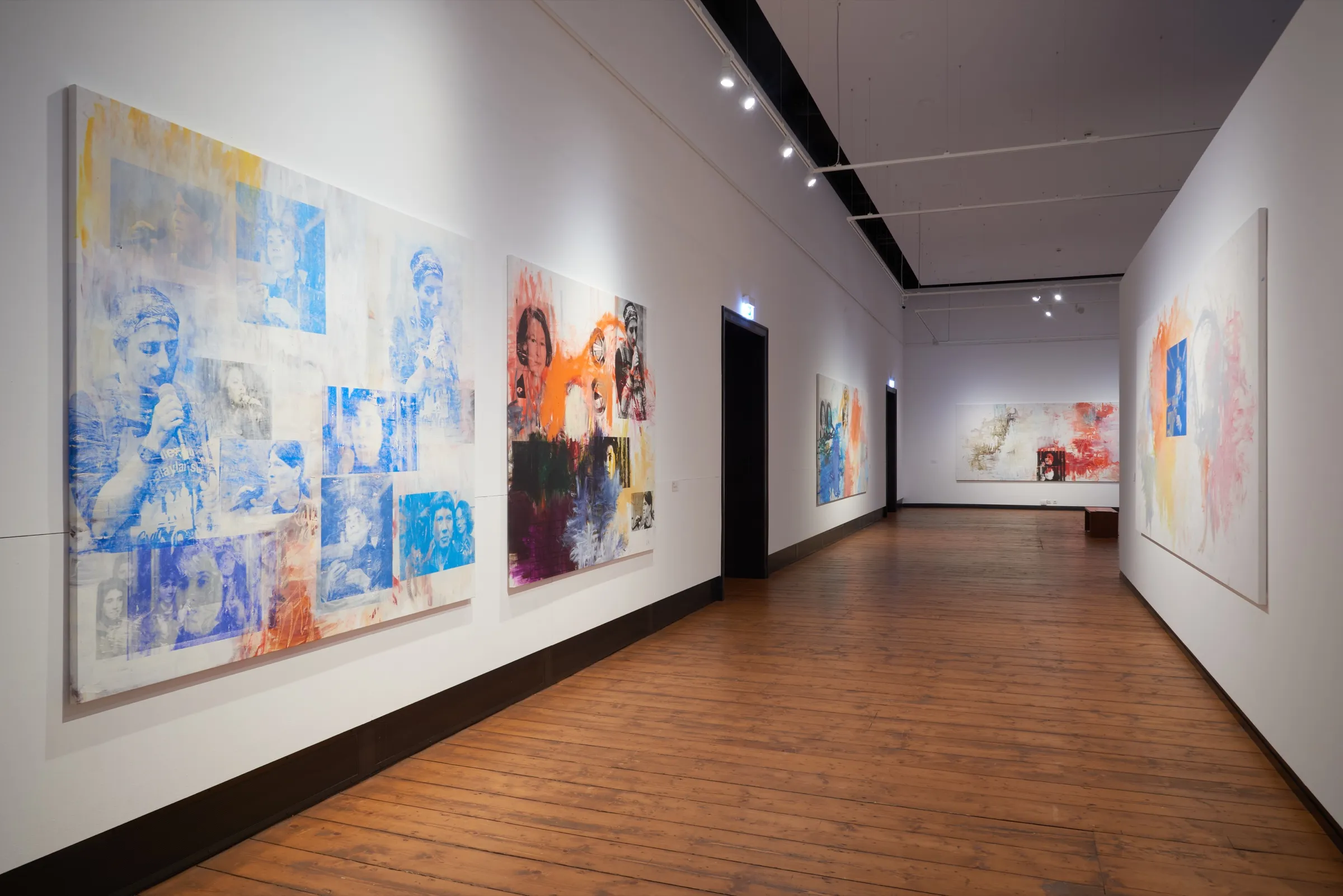
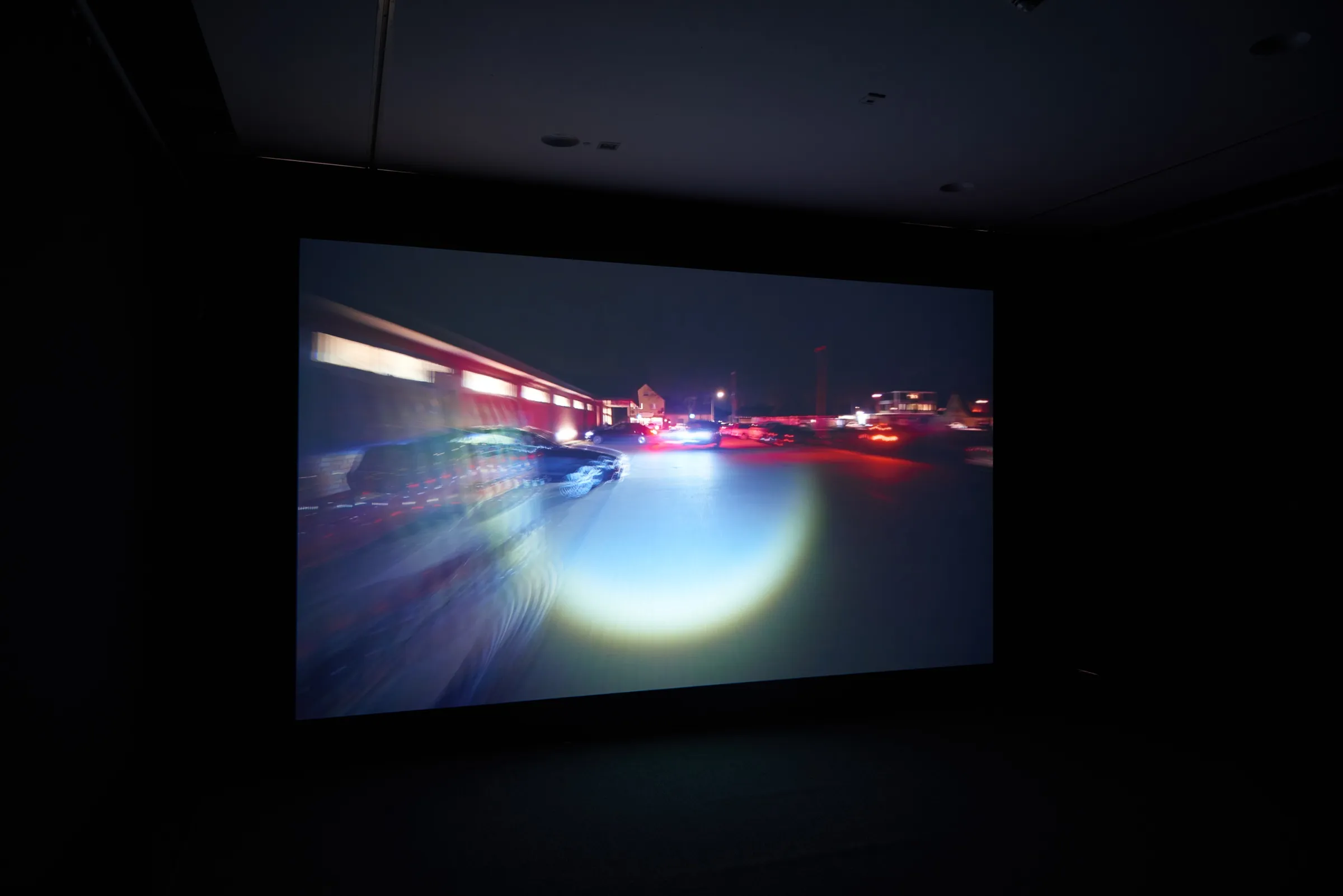
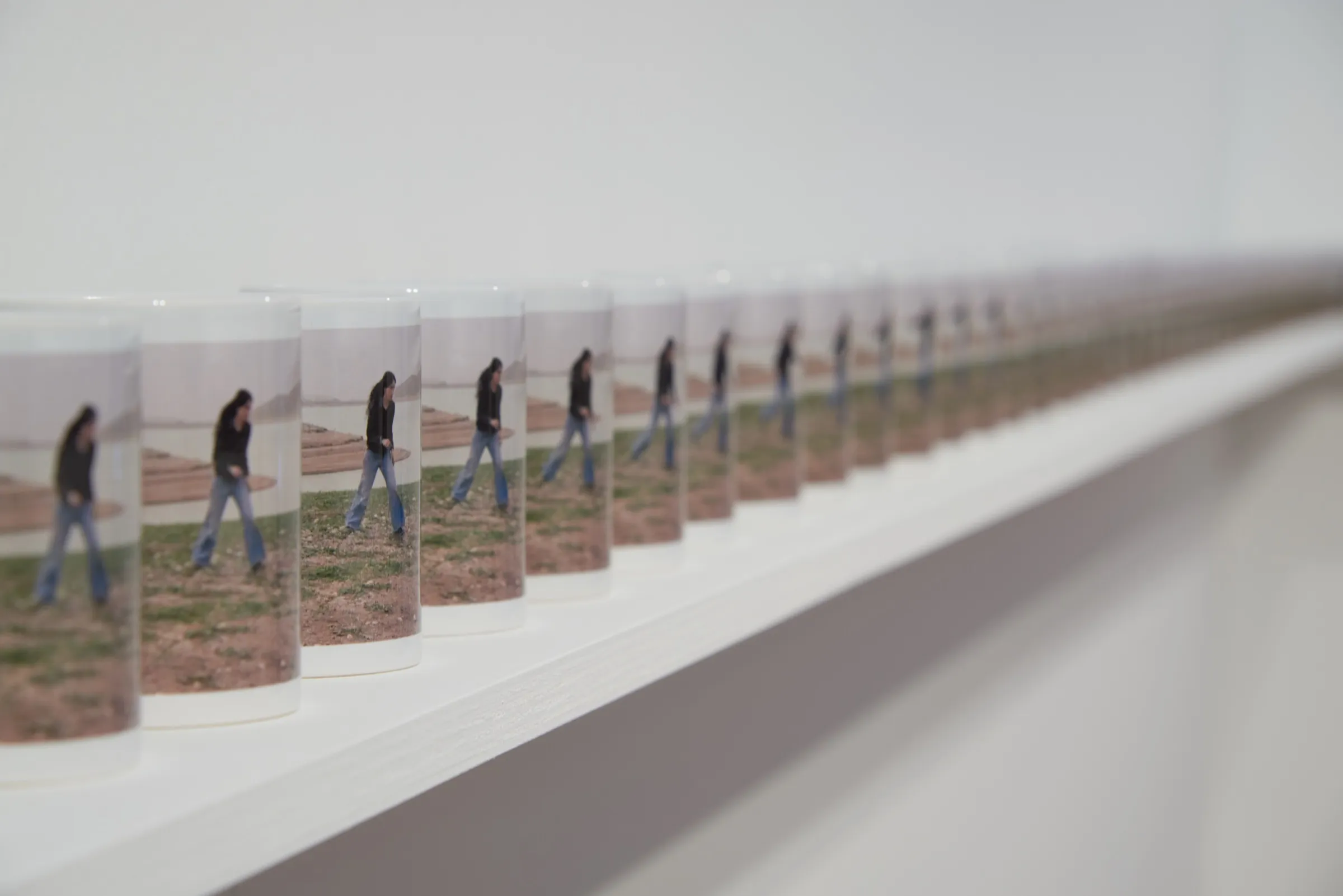
With Leyla Yenirce we honour a young artist who can already present an impressive body of work, in which different image sources, historical references and her own observations are linked into new contexts. With her engagement with representations of resistance and power structures she is among the most important artistic voices of her generation.“From the jury's statement, press release of the SPD parliamentary group, September 2, 2026
It all started quite unspectacularly, with an email. At the end of May, Dagmar Schmidt from the state board forwarded an invitation. The SPD parliamentary group was realigning its art prize and wanted the BBK Lower Saxony on the jury. Dagmar and my fellow board member were both unavailable on the two dates. Could I take it on? Barely a week until the first session, and I said yes.
Why the association has to sit on a body like this was immediately clear to me. Museums, academies and art societies look at artistic paths from the outside. The BBK looks from the inside. We represent the people it is all about: artists who live and work in Lower Saxony, with a studio, rent and a tax return. That voice belongs at the table.
On May 28 we sat together for the first time, in the extension building of the state parliament on Leinstraße, some joining by video. Eleven people from museums, academies, art societies and the association, plus the group's members of parliament and the colleagues who organise it all. Around the table were Anne Prenzler of the municipal gallery KUBUS in Hanover, who took the chair, Eva Birkenstock of the Kestner Gesellschaft, Christoph Platz-Gallus of Kunstverein Hannover, Anna Heinze of the Landesmuseum Kunst und Kultur Oldenburg, Ina Grätz of the Kunsthalle Emden, Nils-Arne Kässens of the Museumsquartier Osnabrück, Carolin Knüpper of Kunstverein Wolfenbüttel, plus Anette Haas of Leibniz University Hanover, Monika Steinberg of Hochschule Hannover and Rahel Puffert of the Braunschweig University of Art. And me, for the BBK Lower Saxony.
That evening the prize was rethought. It has been awarded since 1988, the only art prize of a parliamentary group in Germany, endowed with 5,500 euros. For a long time it went to lifetime achievements. Now it is to look at the middle: at artists who are no longer newcomers and not yet established. There are grants for emerging artists and honours for a life's work. The middle of a career is the place where the fewest prizes look. Add to that a connection to Lower Saxony, living, working or exhibiting here, with no residency requirement. Artistic quality first, then the look at the person. And the explicit wish for female perspectives, because they are missing from the prize lists of recent decades.
An inspiring, transparent, open and constructive exchange.“Anne Prenzler, chair of the jury, on the session. Press release of the SPD parliamentary group, July 6, 2026
Each jury member could submit one proposal, two at most, by the end of June. I did not want to name two artists off the top of my head. So I did research. For weeks, in the evenings, with a list that kept growing: positions from Lower Saxony, their exhibitions, grants, catalogues, websites. In the end more than thirty positions lay on my desk.
For that I built myself a tool, the way I build almost everything now, through language with an AI as a craft tool. It collects sources, lays them side by side and makes positions comparable: where someone lives, where they exhibit, since when, with what funding. What it cannot and should not do: decide. The work first, then the biography. And the decision stays with a human being. In the end I submitted two names, with images and reasons. Which ones stays within the jury.
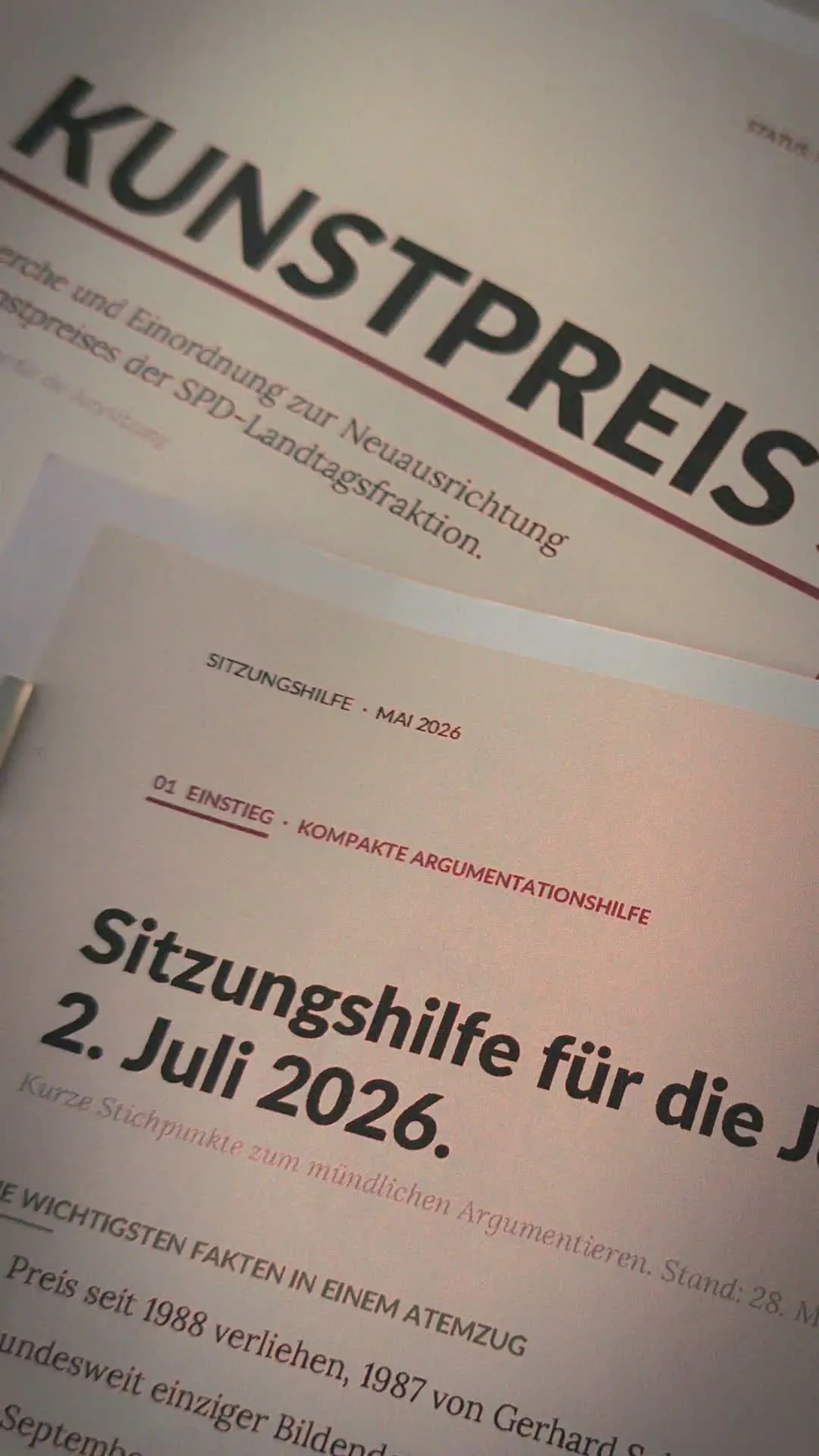
On July 2 we sat in the state parliament again, again with some joining online. On the table lay the proposals of all jury members, each with images, a CV and reasons. I had made a sheet for every position, with the criteria from May as the yardstick. You walk into a session like that differently when you know that your own names are only two of many.
What impressed me most that evening was not a single argument. It was how eleven very different viewpoints slowly sorted themselves into one voice. A museum sees collections, an academy sees teaching, an art society sees exhibitions, the association sees everyday reality. In the end there was a name I had not put forward. And I stand behind it. That, for me, is the appeal of a jury: you give something up and get something bigger back.
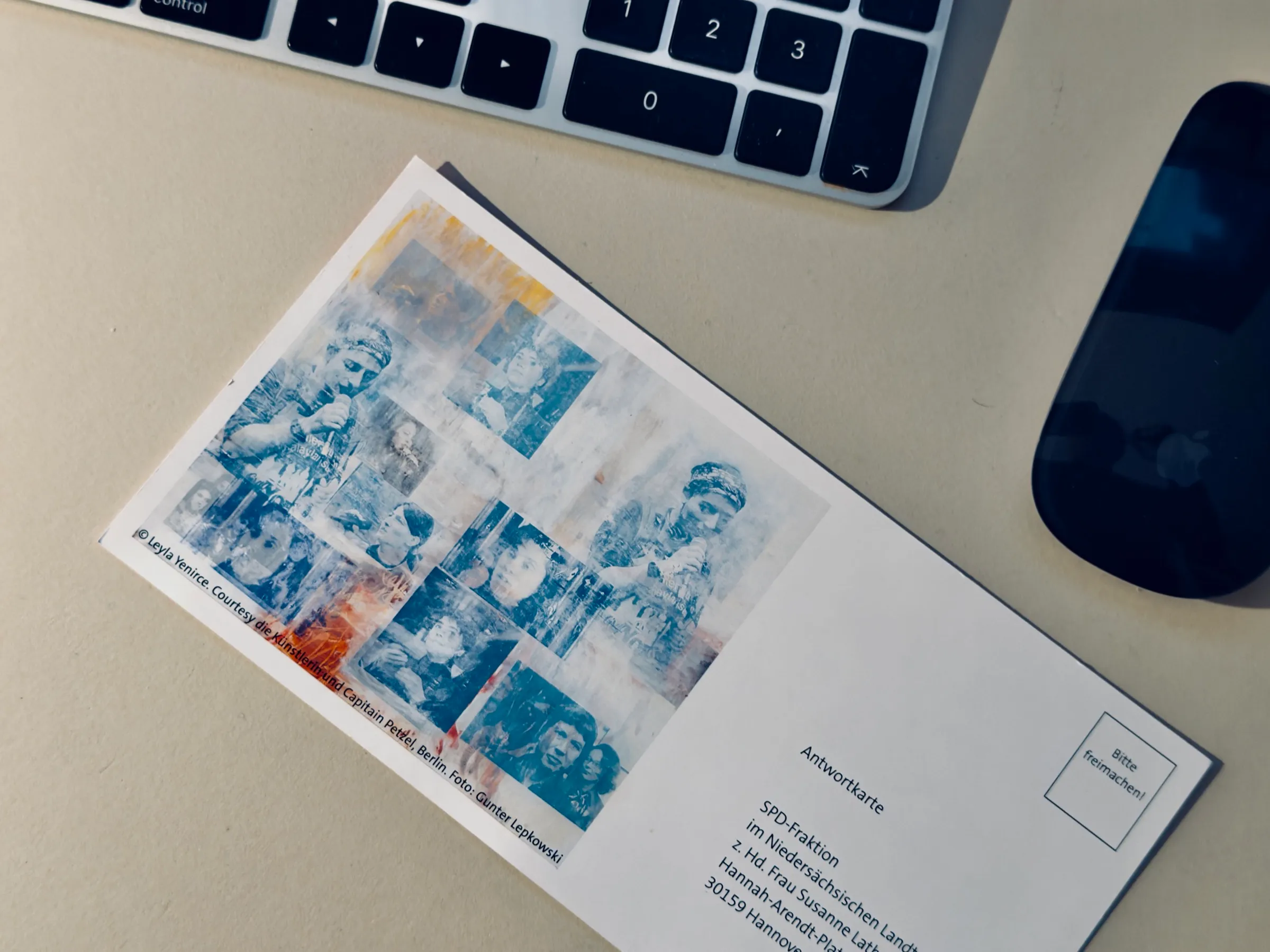
The invitation has been lying on my desk for a few days. One of her pictures is printed on the card, that chorus of women's faces in blue, and underneath in small type the line with her name and the gallery. On October 6 the prize will be presented at the Sprengel Museum in Hanover. I will be there, camera in my bag. After that this story gets its final chapter: the evening, the presentation, and hopefully a conversation with the artist.
A few figures worth noting down, because they are scattered across the web. The Art Prize of the SPD parliamentary group of Lower Saxony has been awarded since 1988 and is endowed with 5,500 euros. It is the only art prize awarded by a parliamentary group in Germany. There is no open call: the jury proposes and decides, and the parliamentary group has no say on the content.
In 2025 the prize went to Rüdiger Stanko, in 2024 posthumously to Anna Jander. Since this year the focus lies on the middle of artistic careers. The 2026 ceremony takes place on October 6 at the Sprengel Museum Hanover, as it did the year before. For coming years the parliamentary group is considering a different venue.
What remains is first of all something very practical: the BBK sits on this jury, and it will sit there in the coming years too. An association that only makes demands gets ignored. An association that does the work gets asked. For me that is the core of my work on the state board: not standing beside the decisions, but sitting at the tables where they are made.
And something personal. In these weeks I have seen more art from Lower Saxony than in the years before. I have learned how a museum thinks and how an academy argues. And I have noticed that helping to decide is part of the artistic work. Anyone who makes art should now and then also have a say in who gets seen. The second bed is planted. It will keep growing.