
Note · 3 July 2026
[de]18/26Design
When technology makes room again.
New tools are changing how we design, work and collaborate. The remarkable thing about it is not the speed. It is the room that opens up.
Something Is Rearranging Itself
I have lived through a shift like this once before. When photography went digital, many feared for the craft. The craft remained, the darkroom disappeared. The eye, the composition, the light: all still there. Only the path there became shorter, and suddenly there was room for things that had previously been caught up in the technology.
We are standing at exactly that point again. This time the shift is not called the digital camera, it is called AI. I have described elsewhere how I build websites with Claude Code. Here it is about the bigger question: What does this way of working change about the work itself?
What Falls Away in Everyday Work
A large part of creative work was never creative. Renaming files, converting formats, carrying texts from one system to another, waiting for updates, repairing broken technology, formatting proposals. This layer of friction always sat between the idea and the result, and it felt like work, but it was only administration.
It is exactly this layer that is now growing thinner. Whatever can be described in language, an AI can take over: the monotonous, the recurring, the time-consuming. Not someday, but now, at my desk in Celle.
The AI doesn’t take the designing away from me. It takes away what kept me from designing.
What Gains Room Instead
Freed-up time is only a gain if it flows somewhere. For me it flows into what makes a piece of work good: into the conception, into the visual language, into the feeling for text, into the question of whether something holds up or merely pleases. Thinking through one more variation, examining a detail a little longer, discarding a draft because the second one is better. That is not efficiency. That is quality that used to be sacrificed to friction.
Collaboration Becomes More Direct
For clients, something very practical changes: the distance between thought and result. In the past, days lay between “could we see how that works” and the finished draft. Today I show interim states while we are talking. A change is no longer a negotiation about effort, but often a matter of minutes.
That makes collaboration more agile and more honest. When a variation costs little, you can ask more boldly: What if? And whoever takes over a website from me in the end receives an AI file along with it and carries their site forward themselves, in plain words, without depending on me. Dependence becomes companionship.
More Than Websites
Websites are only the most visible beginning. The same way of working has long been bringing order to more of my work: proposals take shape in a more structured way, series of images are reviewed faster, texts are developed calmly instead of between one thing and the next. For this, my studio works as an ensemble of roles, each with its own craft, from the draft to the review to the edit. That is not a metaphor for software. It is the way work reorganizes itself when the tools think along.
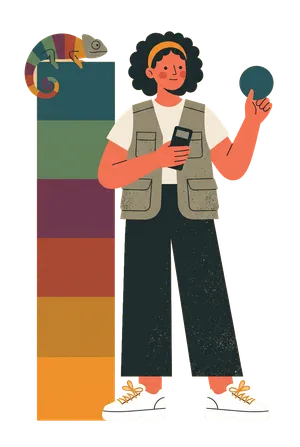 The ColoristColor and mood
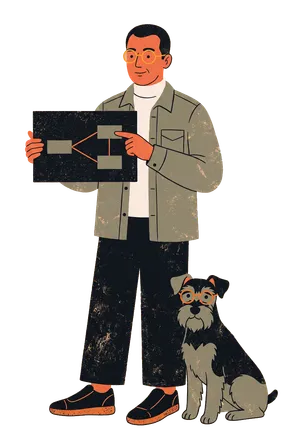 The ArchitectStructure and pathways
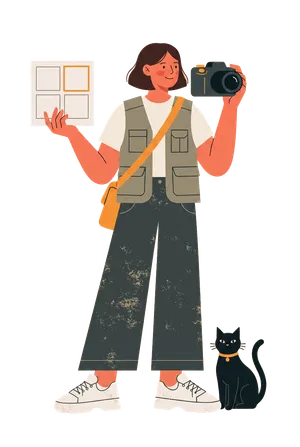 The Photo EditorPhotography craft
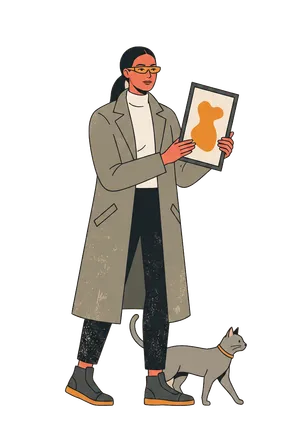 The CuratorAttitude and selection
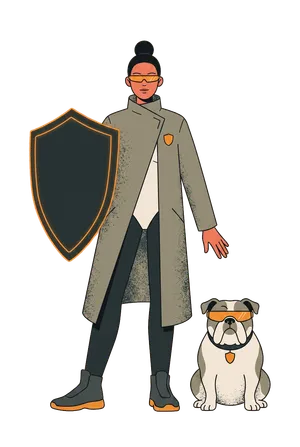 The GuardianPrivacy and security
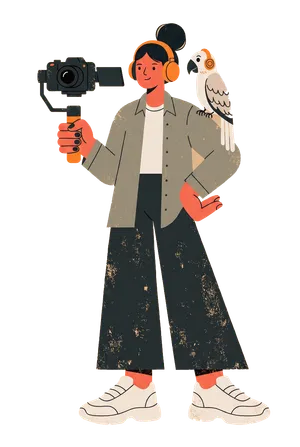 The Film EditorMoving images
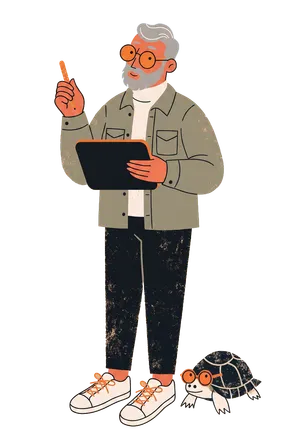 The ChroniclerDocumentation
Why I See the Future in This
Looked at soberly: tools that remove friction have never disappeared again. The darkroom did not come back, and neither did hot metal typesetting. What matters is who works with the new tools. Because there is one thing they cannot do: decide what is good. Taste, selection, attitude, responsibility, that remains human work, and it becomes more important, not less, when producing becomes cheap.
That is why I see in this no break with my work as a photographer, designer and artist, but its continuation. The tools change, the eye remains. And for the first time in a long while, technology is not working against design, it is making room for it.
What this means in concrete terms for a new website is on the page Websites with Claude Code. The rest takes shape in conversation.