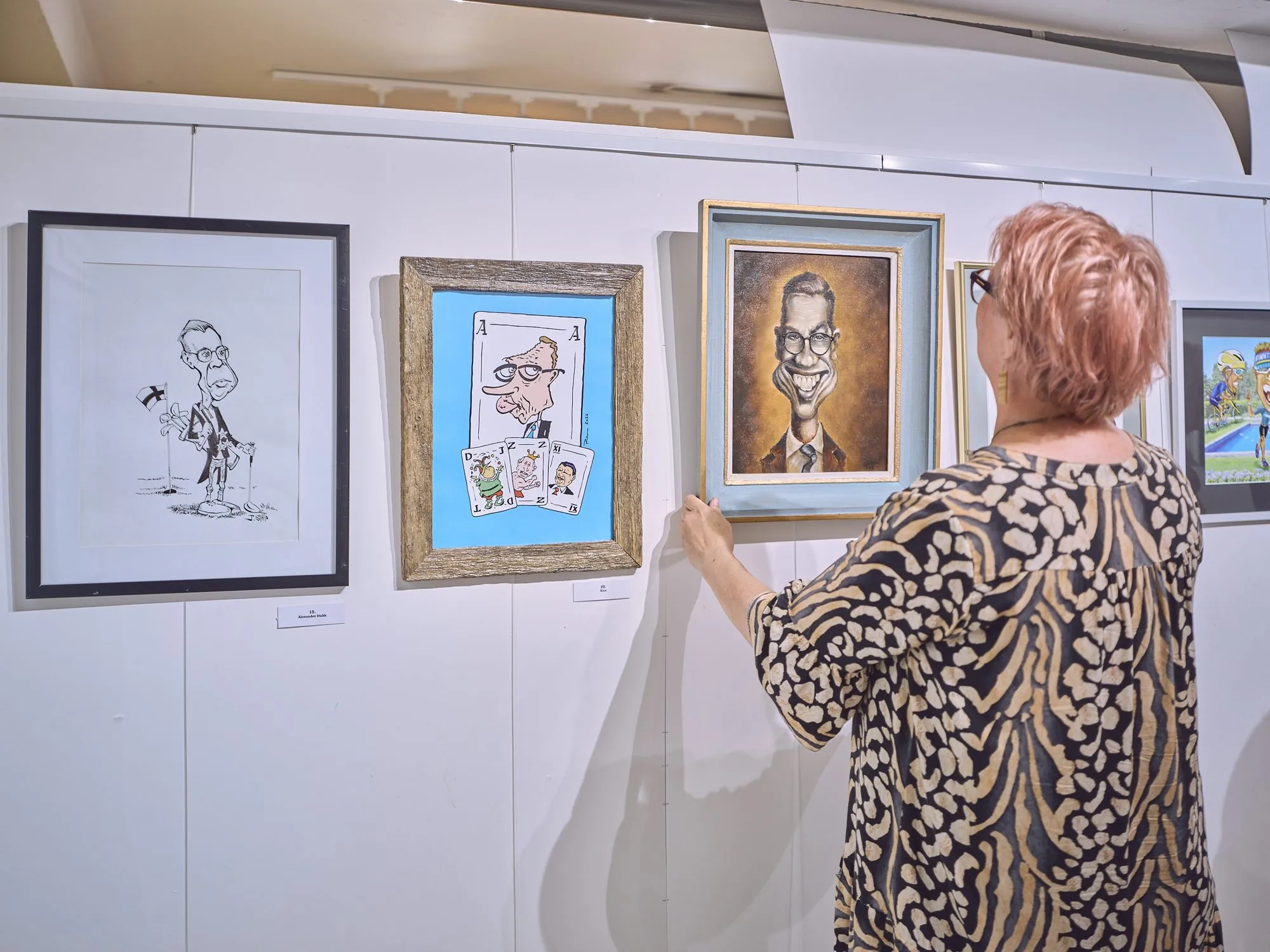
Eleven views of the same man
In the afternoon I was invited to Anu's gallery, and even the way there is special: a small gallery below street level, entered down a narrow flight of stairs. You are welcomed here as warmly as you rarely are, and you know at once that here you laugh first and think afterwards.
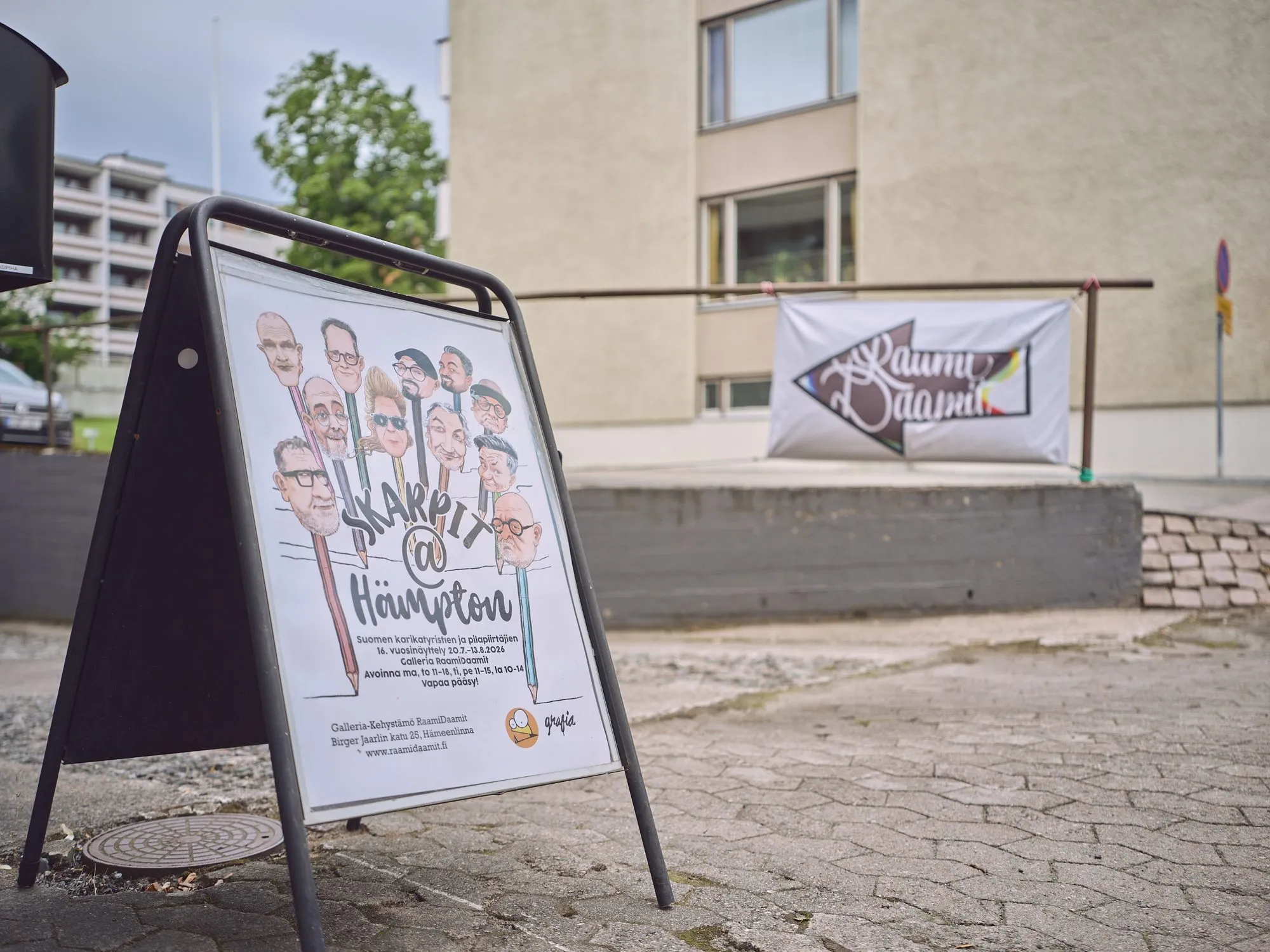
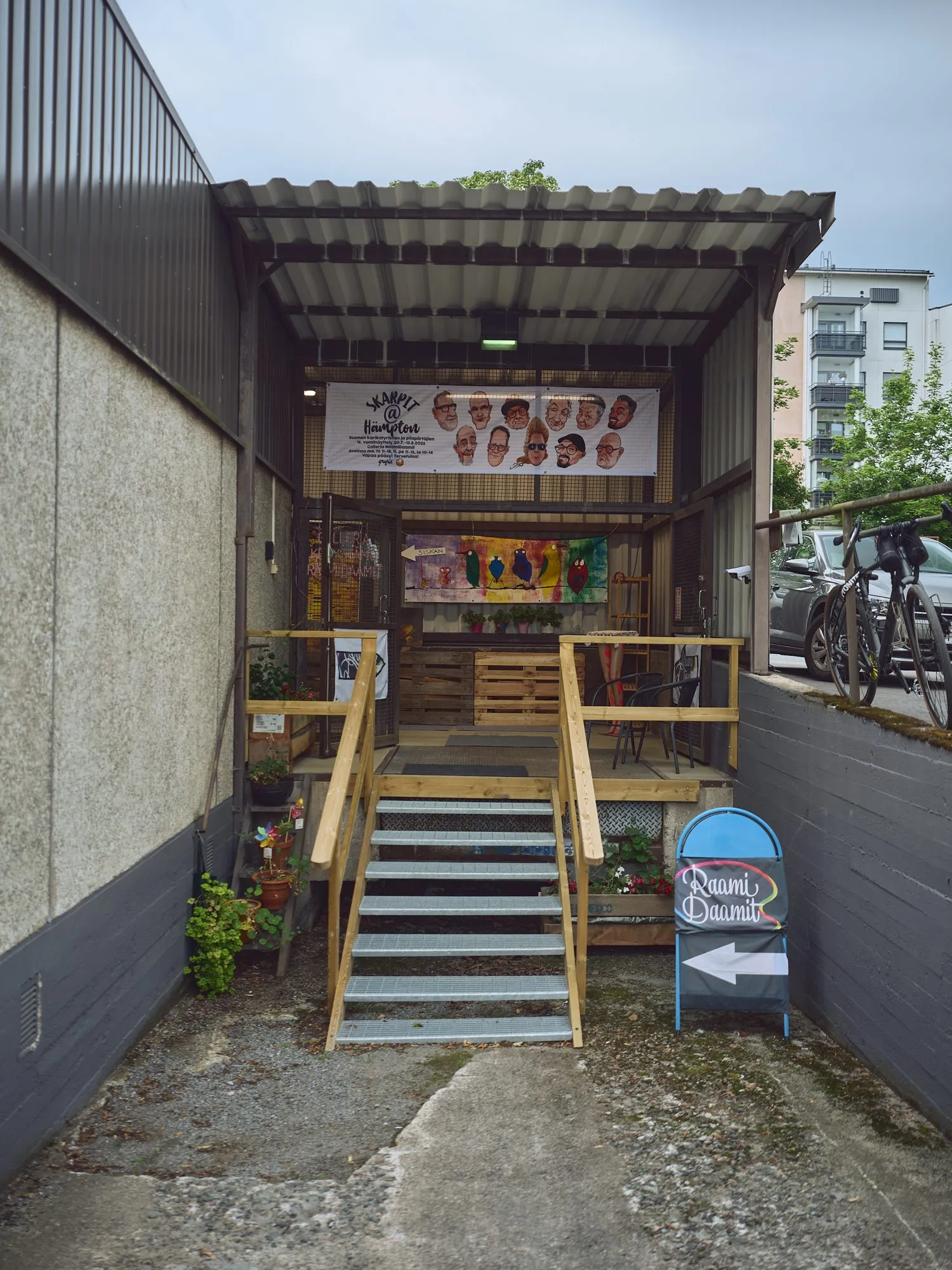
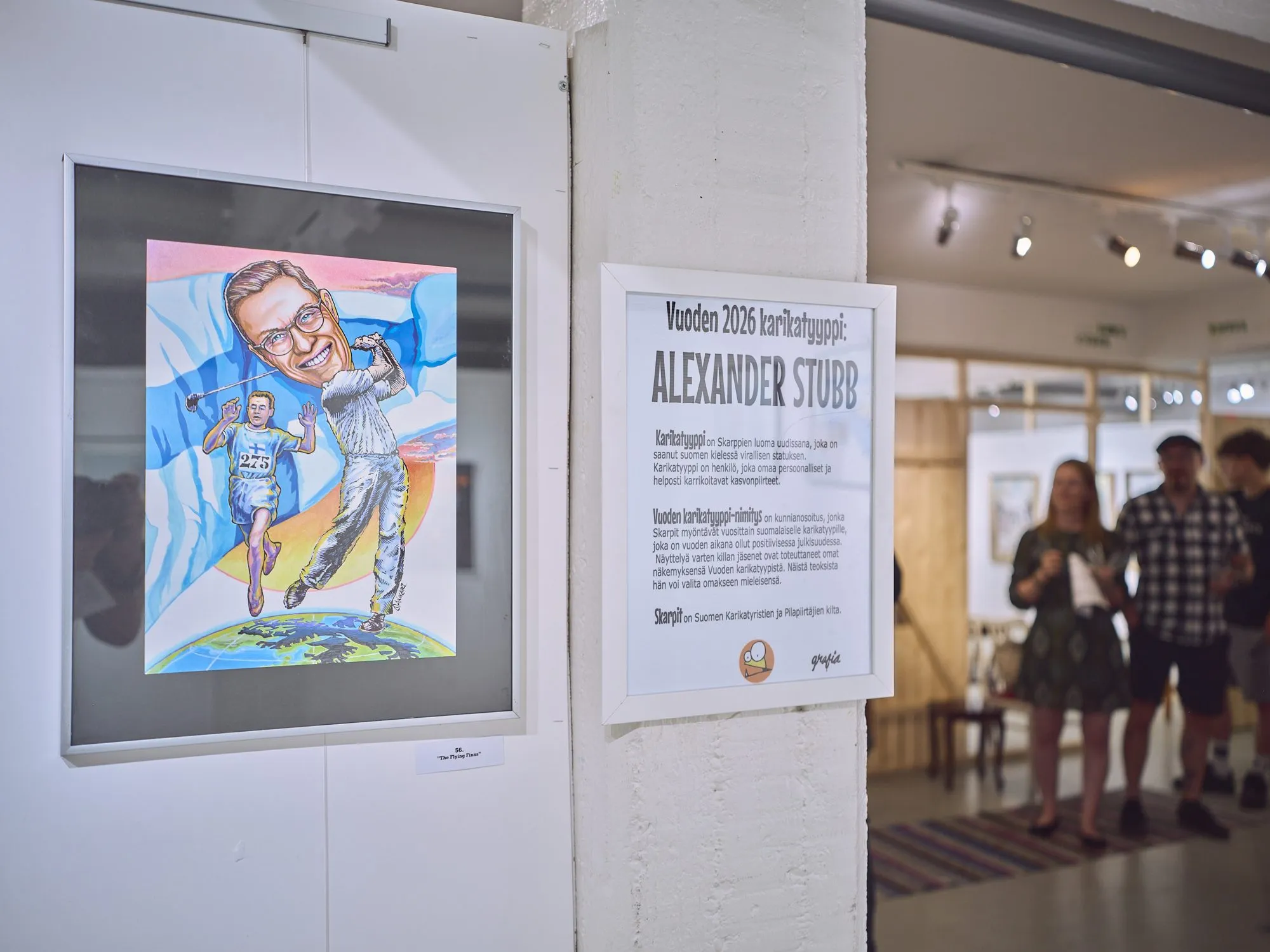
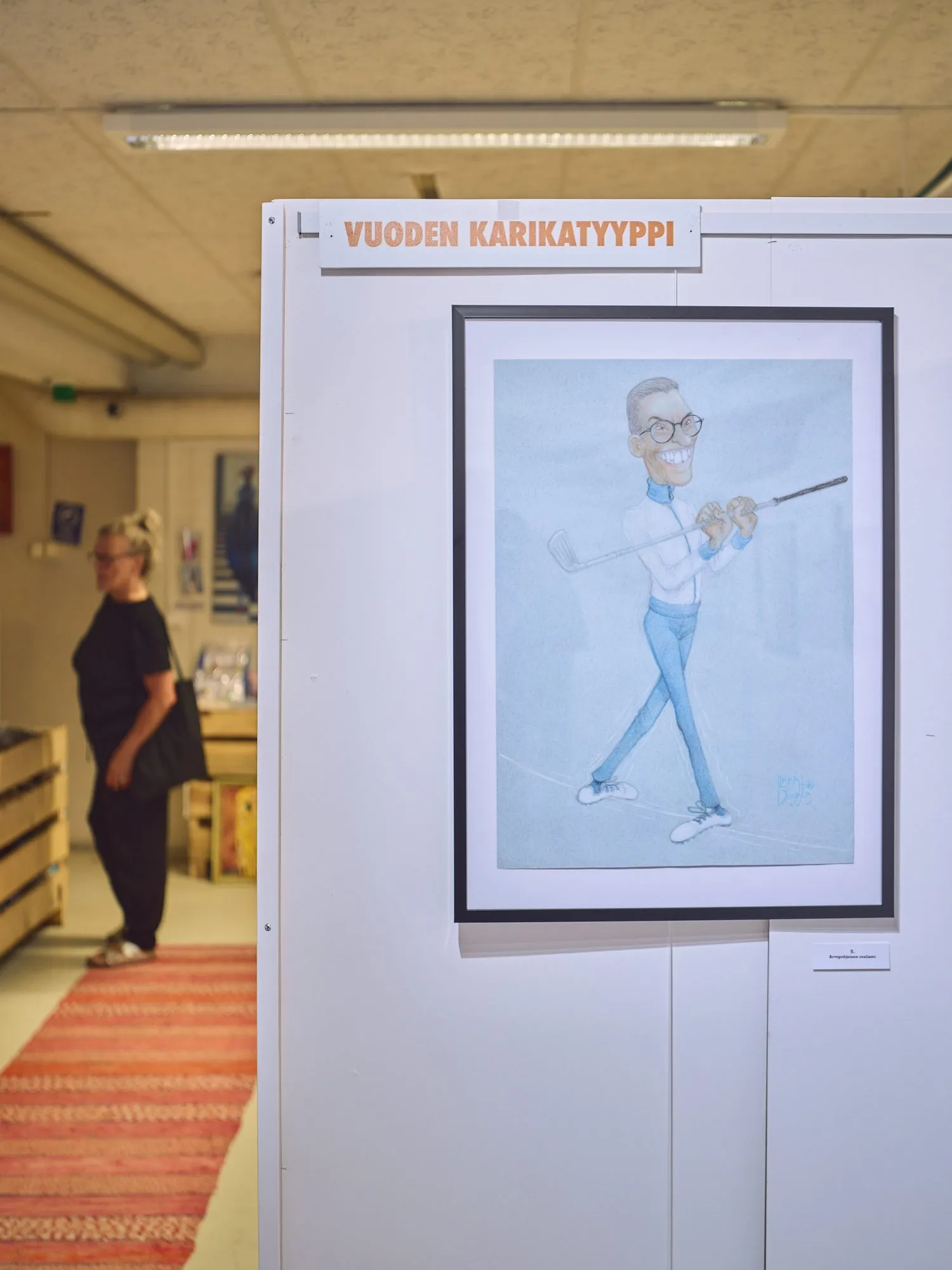
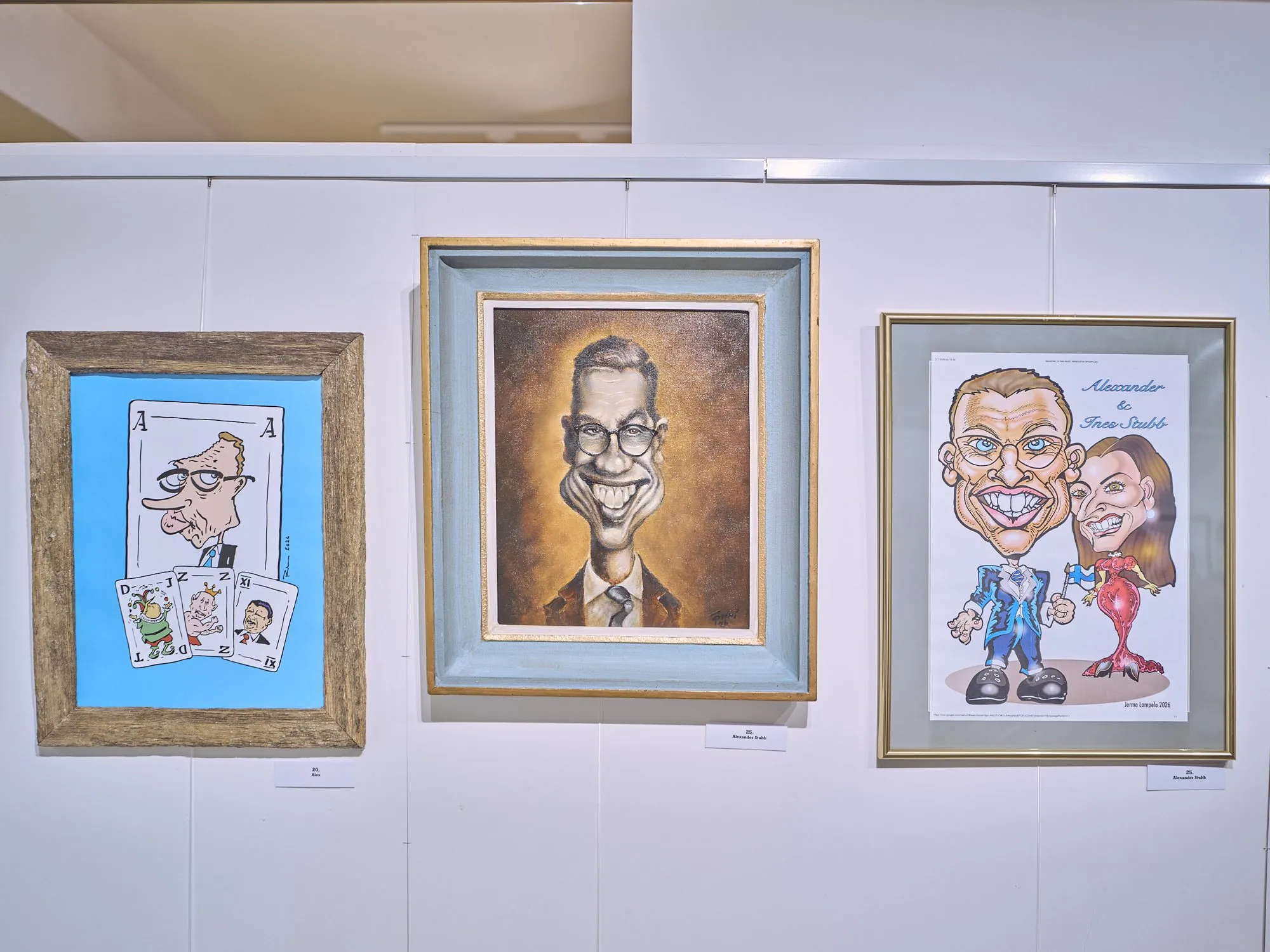
What hangs here is the 16th annual exhibition of the Skarpit, the guild of Finnish caricaturists and press cartoonists. Once a year the members name a person the caricature of the year, in Finnish the karikatyyppi, a word the cartoonists invented themselves and which is now officially part of the language. This year the choice fell on president Alexander Stubb.
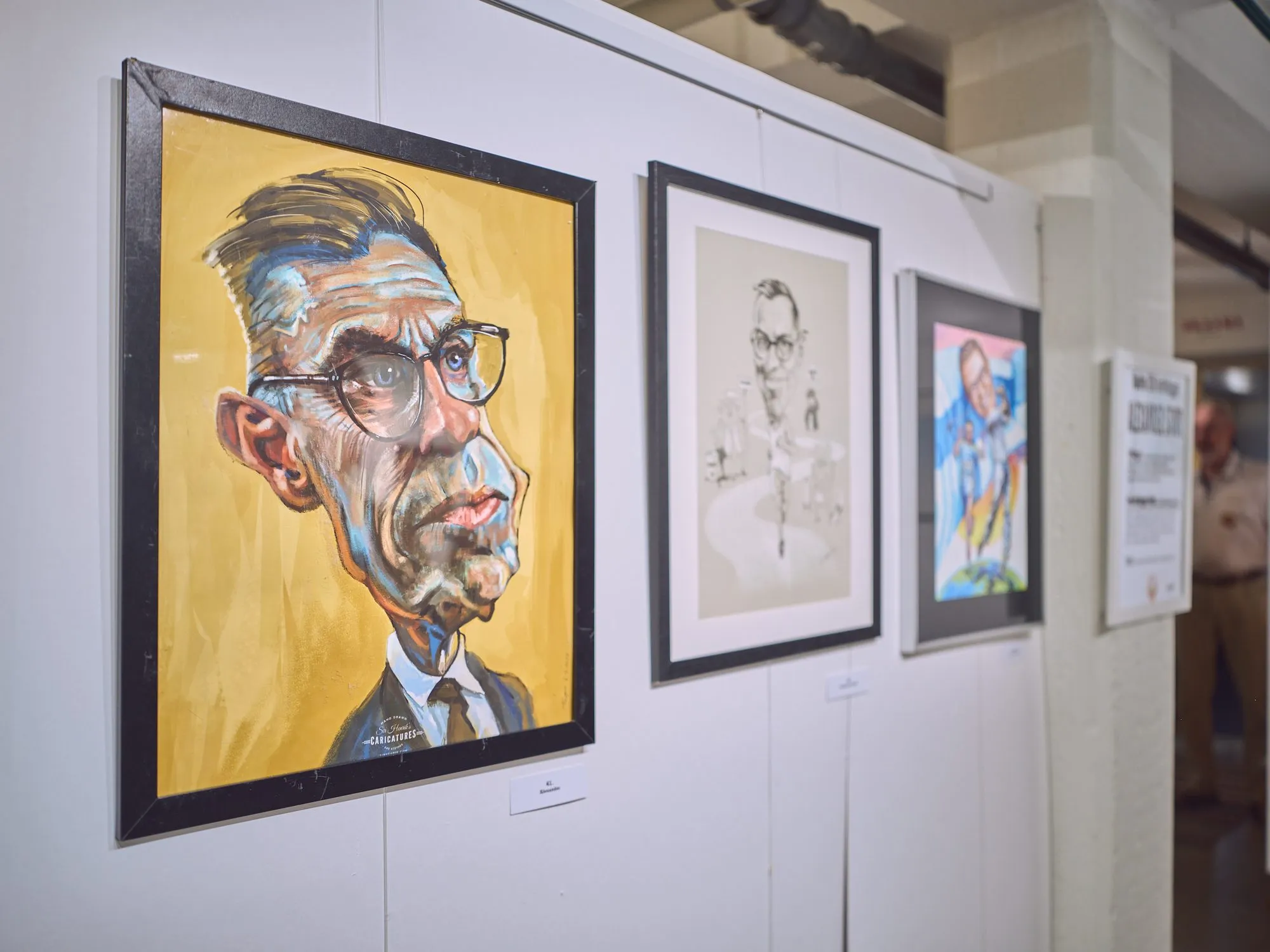
A sign on a pillar spells it out, and beside it Stubb runs across the globe as a small athlete with a race number while swinging a golf club at the same time. Anyone who has followed Finnish politics this year understands it at once. Stubb has become Europe's voice in the White House, has played golf with Donald Trump and made politics while doing so. The lovely thing is that almost everyone in the group draws the same man and yet sees him completely differently.
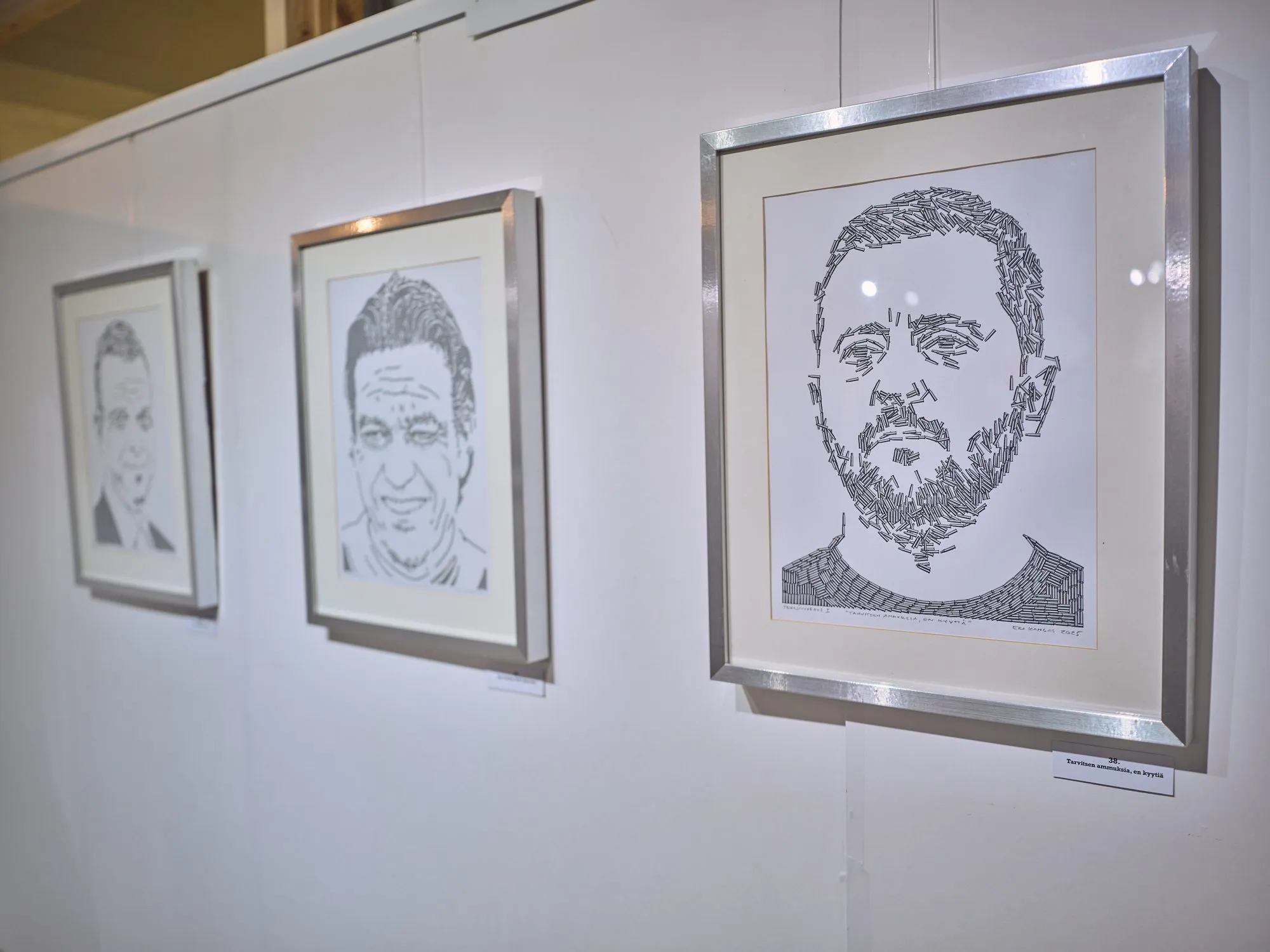
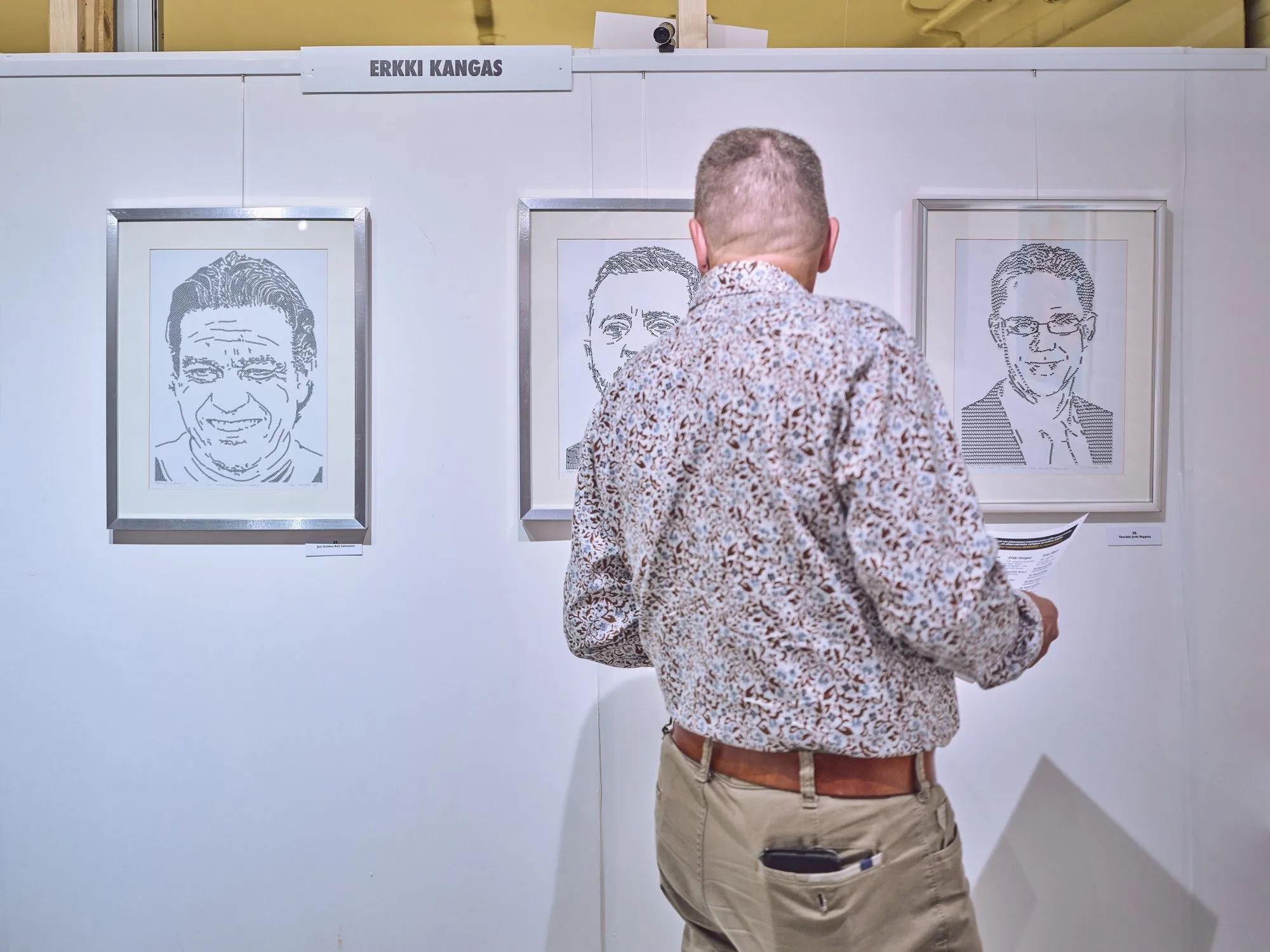
Erkki Kangas fascinated me most of all. From a distance you see only the outline, a face, a familiar person. Only up close do you see what the lines are really made of. He did not build his Volodymyr Zelensky from strokes but from hundreds of tiny cartridges and shells, packed tightly together. Beneath it stands Zelensky's famous line from the first days of the war, that he needs ammunition and not a ride.
He told me that this is exactly his signature and that he loves working this way. A well-known figure of Finnish football he assembled in the same manner entirely from small balls, all in black and white only. The truly interesting thing, he said, lies in the detail, in the question of which element a picture is made from.
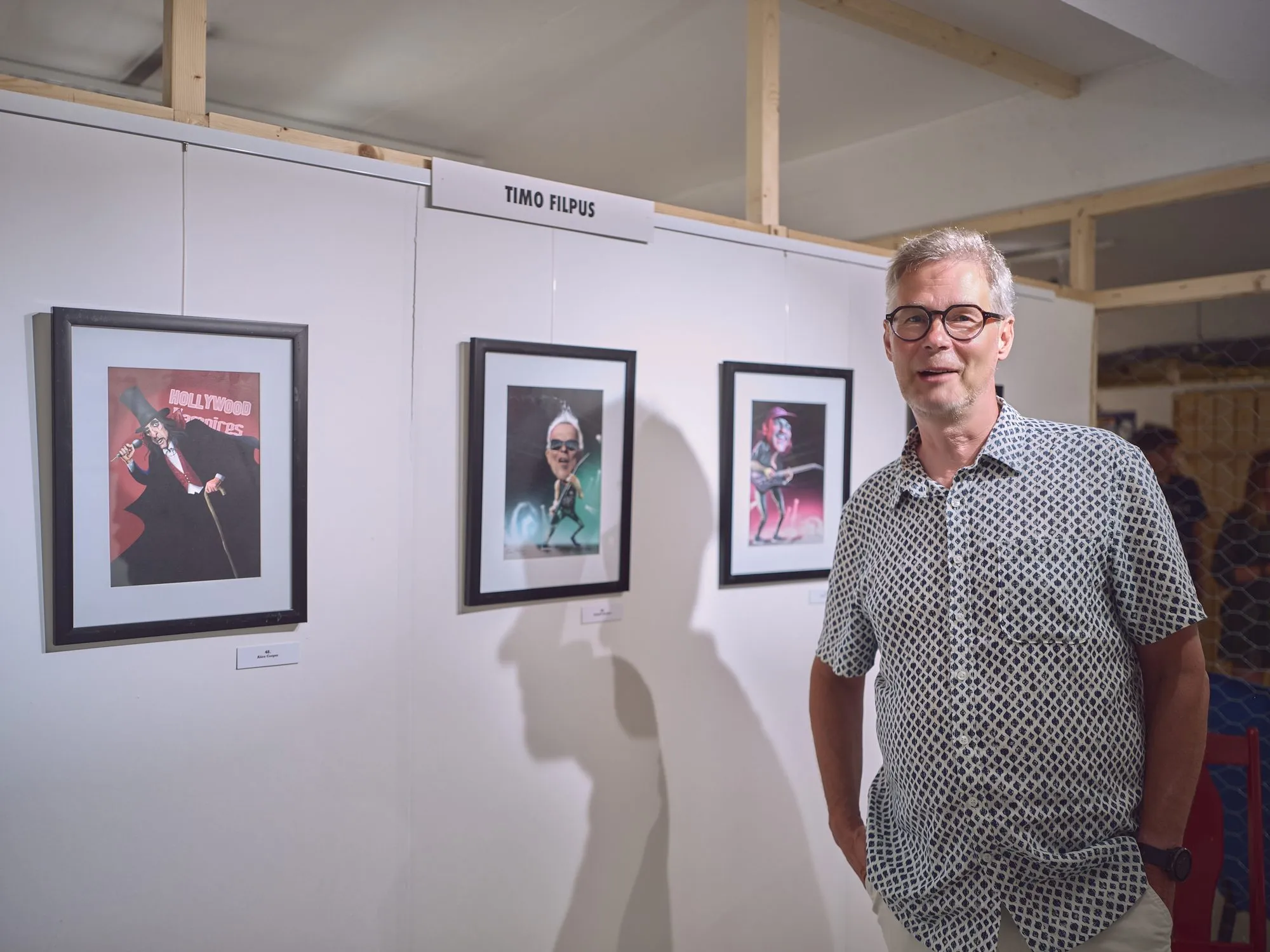
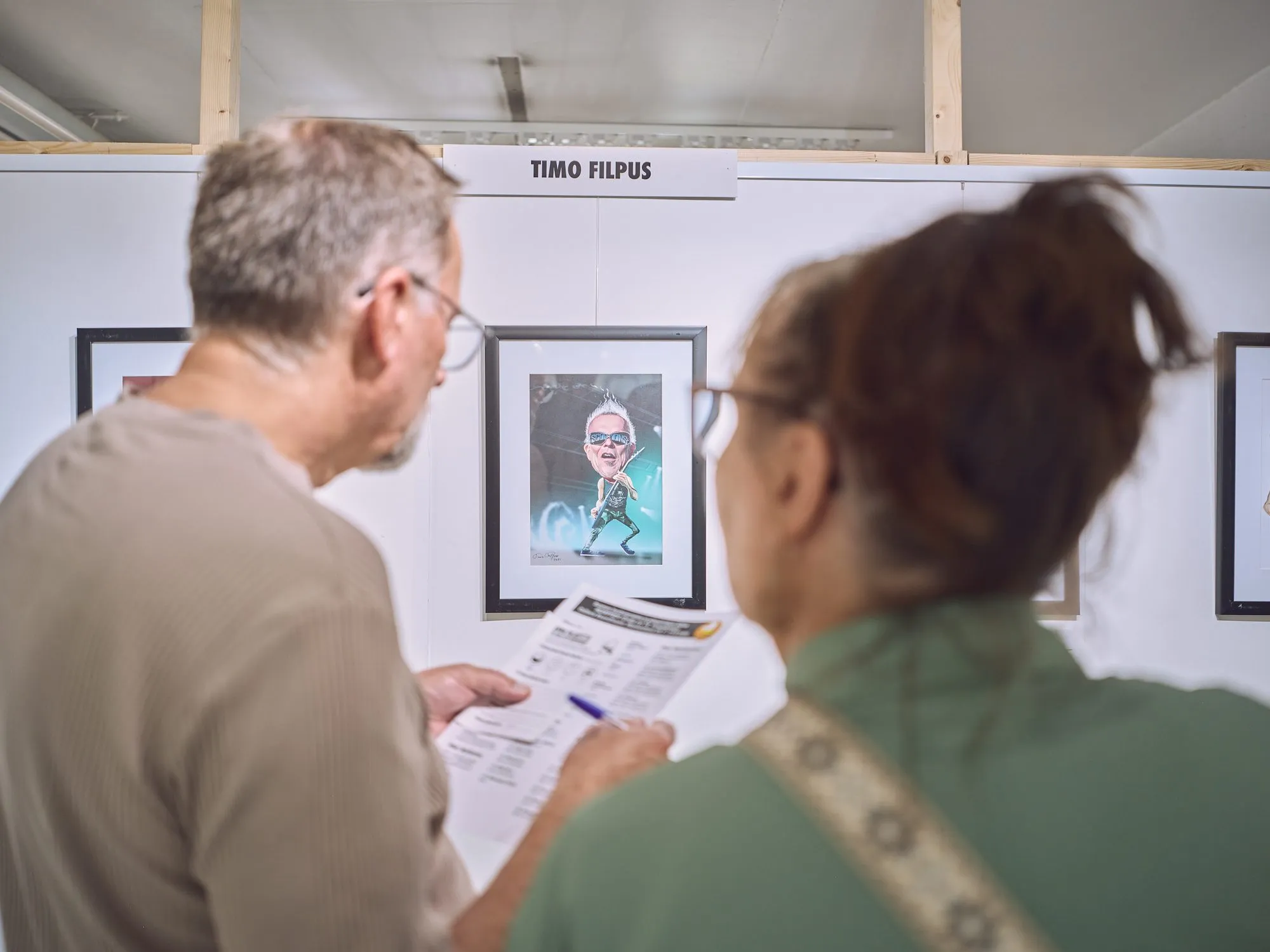
Soon his colleague Timo Filpus joined us, and his work could hardly be more different. He draws above all people from pop culture and music. He told me a story from 2021. Back then he sat in the room during a newspaper interview with the Scorpions and drew the band members live, the band leader and the guitarist, while they spoke.
His portraits look at times almost photorealistic and at the same time carry heavily exaggerated proportions, in this case enormous heads. In the end none of the musicians bought a picture. But the chance alone to draw them in conversation was a special experience for him.
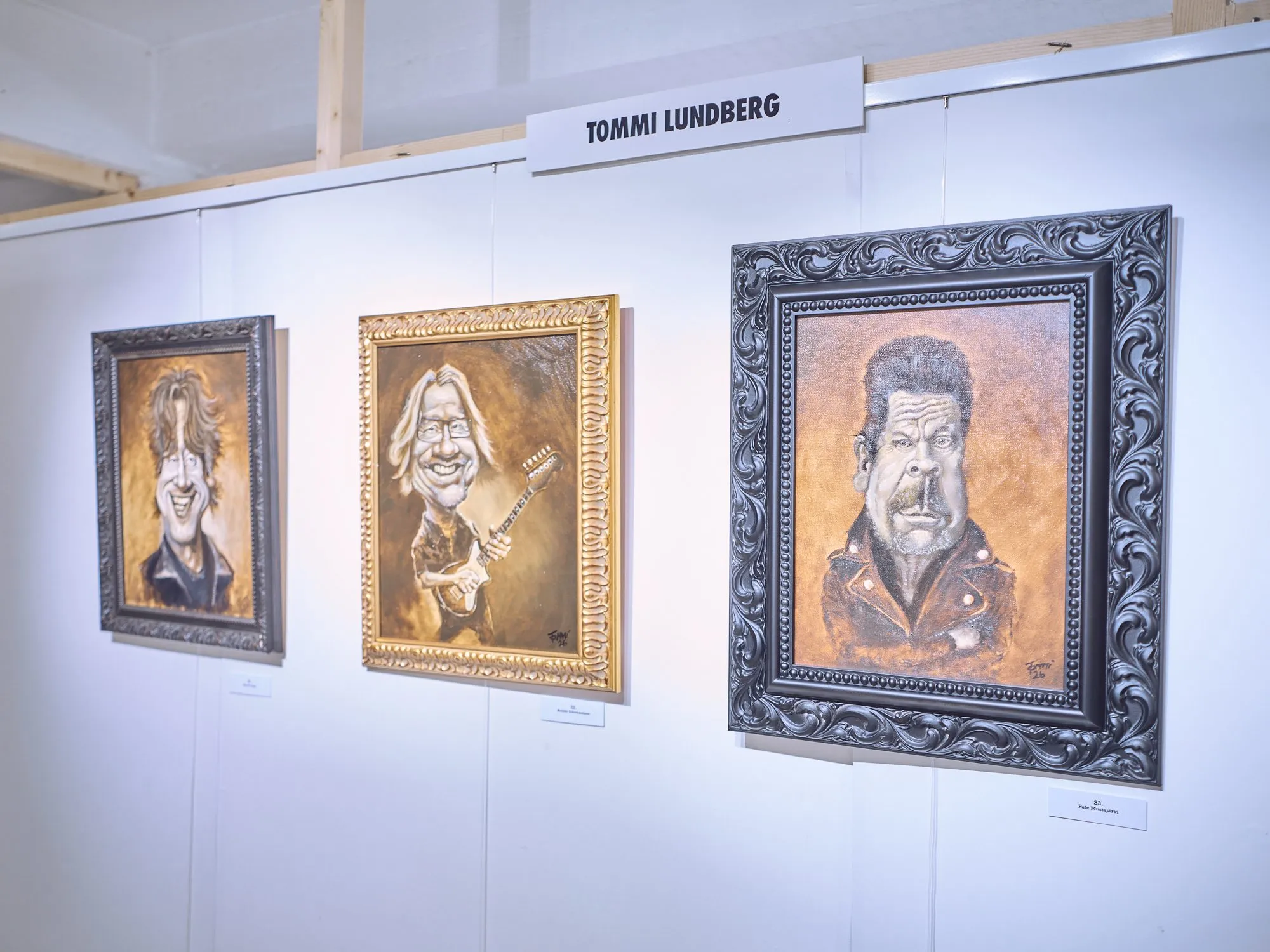
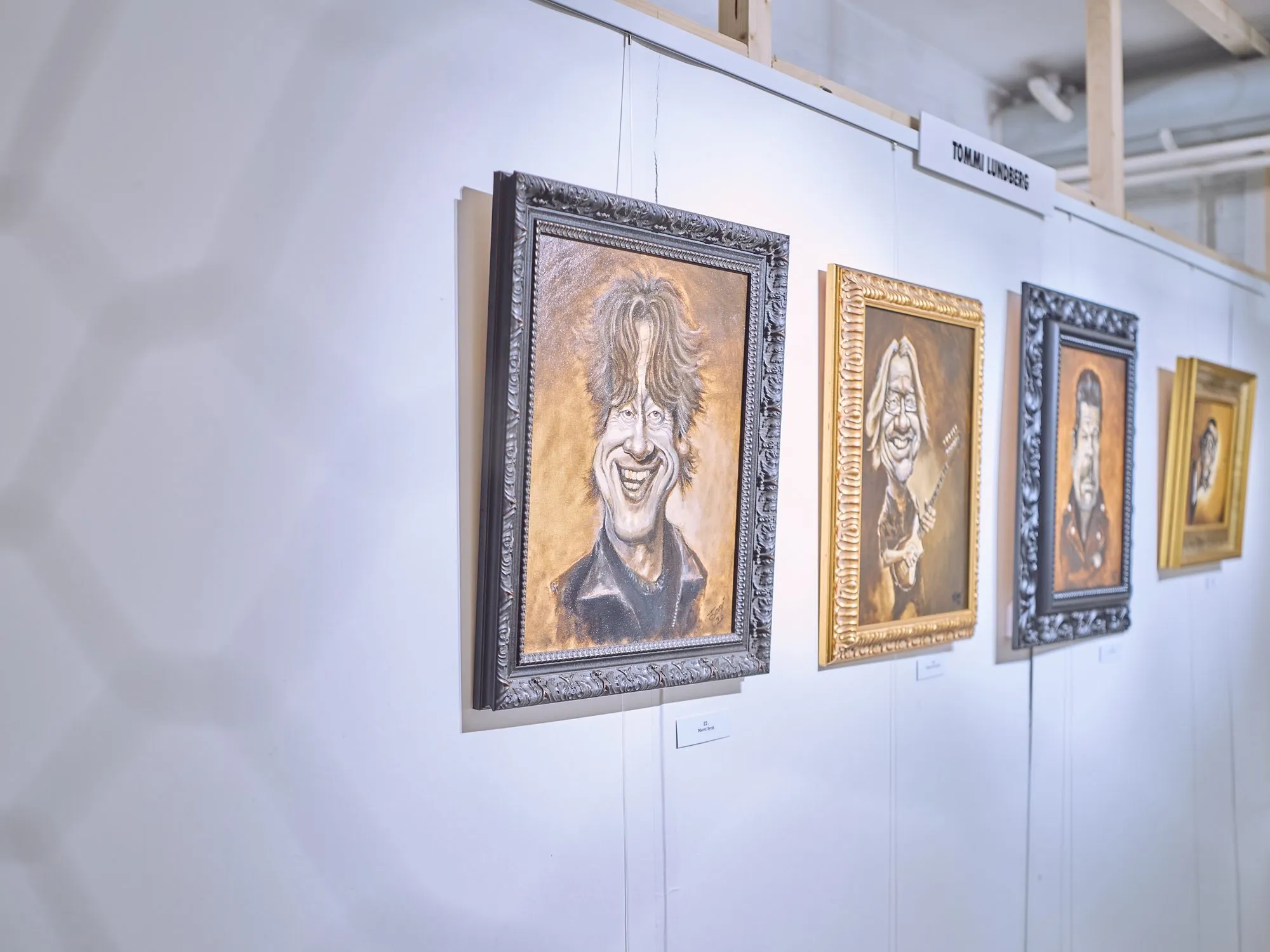
My anchor in this exhibition was again Tommi Lundberg, whom I had already met the day before together with Tuire. Yesterday it was mostly about his watercolours and his other painting. Today a completely different side appeared. Tommi too belongs to this group, and his caricatures differ clearly from everything I had known of him.
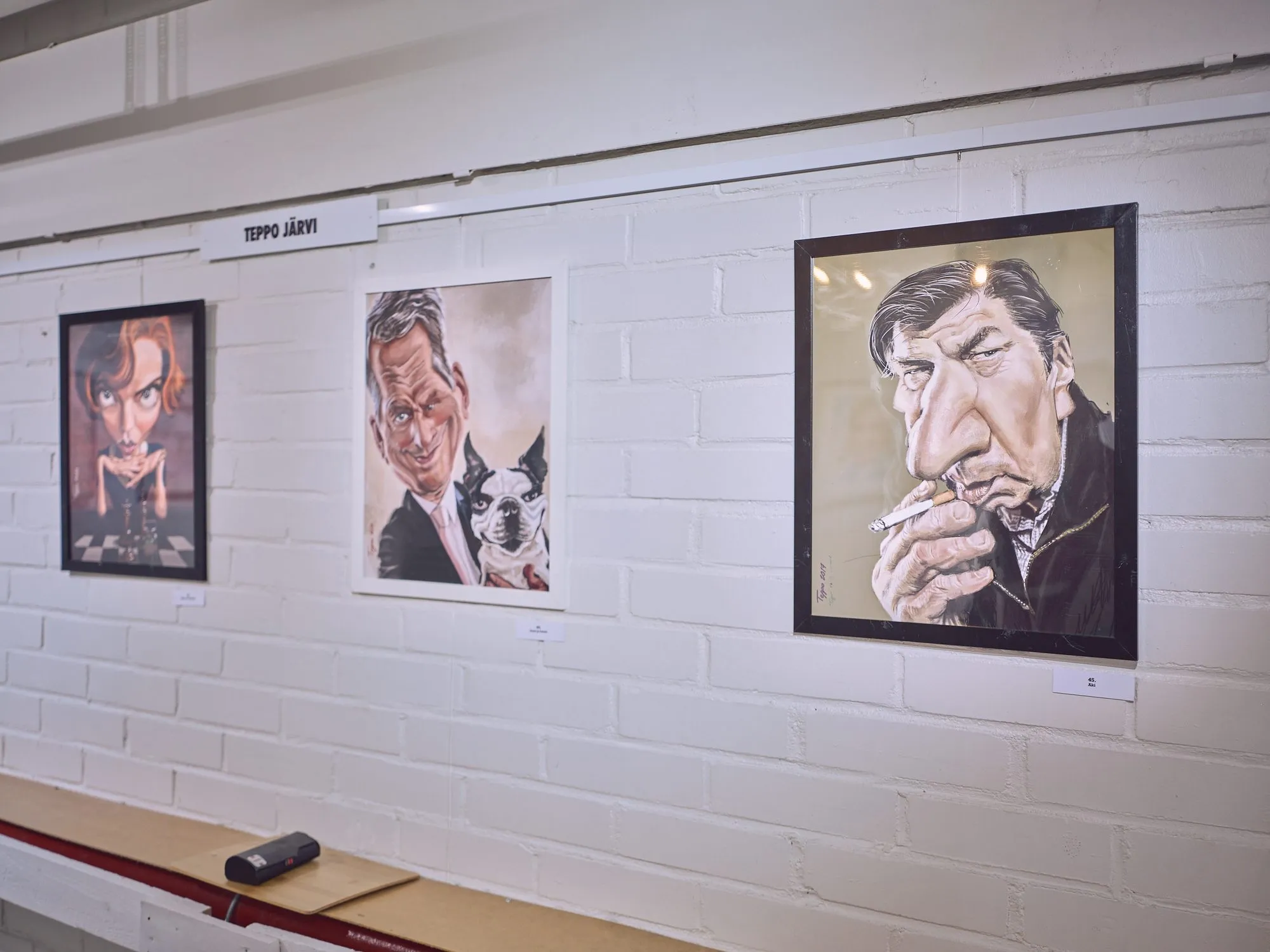
Some are done in oil, with warm, golden-brown backgrounds. He likes best to draw people from music. His figures have very distinct heads, big foreheads, long noses, strong chins, and strikingly small bodies. The pictures are humorous and at the same time exquisitely crafted.
The range altogether was astonishing. It reached from the pared-down newspaper cartoon that gets by with a few strokes to almost photorealistic painting. In some works the political statement comes first, in others the pure craft and painterly quality.
It was striking how intensely the whole group engages with Finnish politics. Beside Stubb the former president Sauli Niinistö kept appearing, once very tenderly with his dog Lennu, who during his term belonged to half of Finland. The honoured person may choose a picture from the show as a gift, and so Stubb too was invited. He had no time, which in this high summer surprises no one, for right now all of Finland seems to be on holiday.
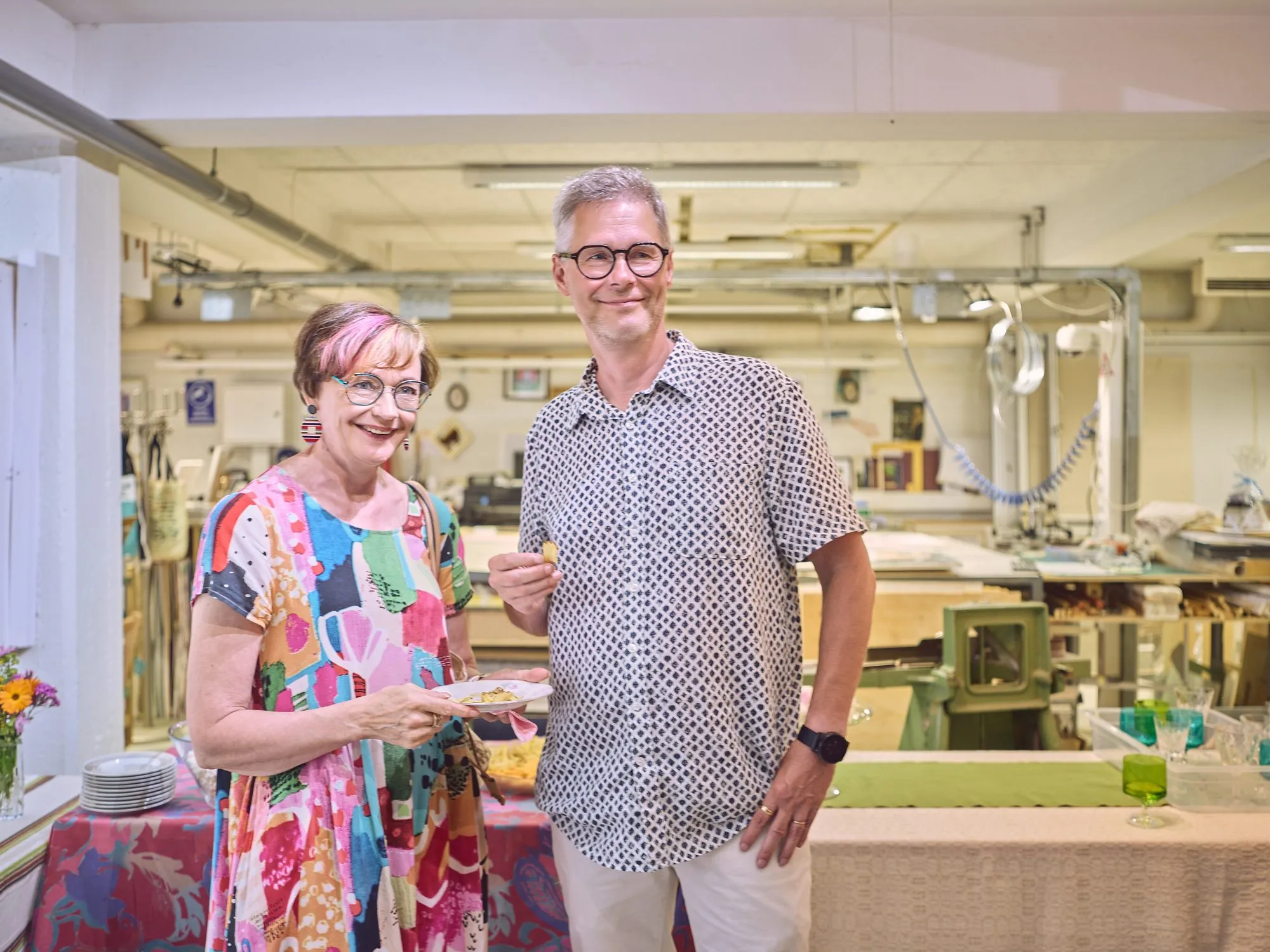
Lovely was the reunion with Anu, the warm-hearted framer, with whom the circle had already begun the day before. Many of the works she had framed herself, and during the opening she could not resist hanging one picture or another a touch straighter.
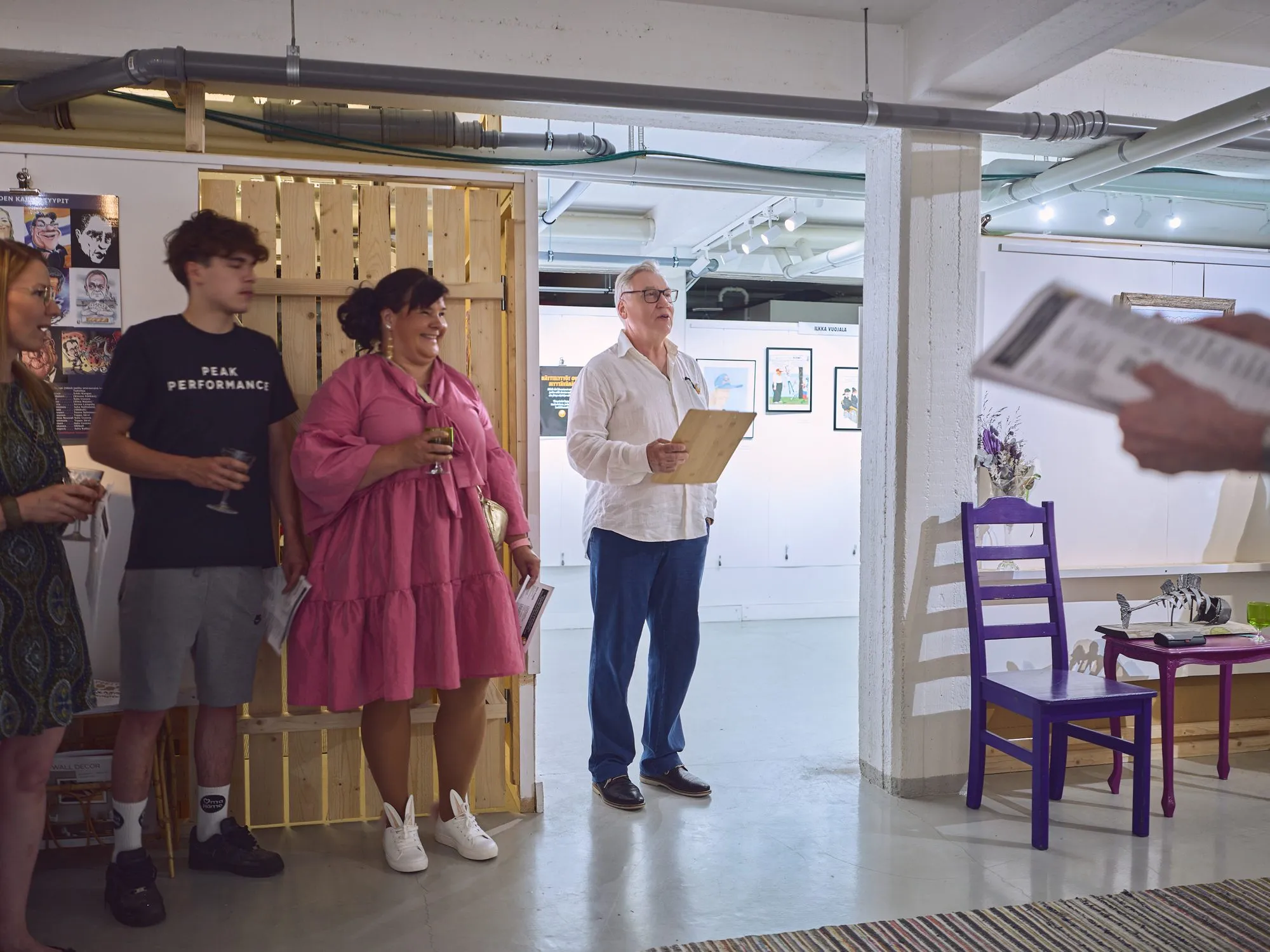
She invited me at once to the next exhibition, which opens tomorrow. On the whole you are received here in a way I much like, warm, open, personal. What remains is the image of a small gallery beneath the ground, where eleven people look at their country with a sharp pen, and the feeling of belonging, for one afternoon, entirely as a matter of course.
Eleven views of the same man, and an afternoon full of warmth.“Note from Galleria RaamiDaamit, Hämeenlinna